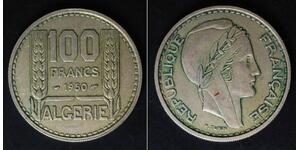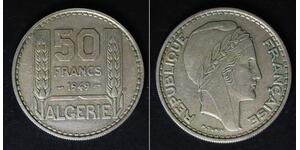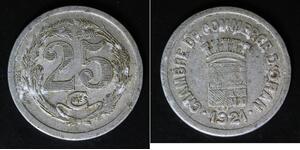

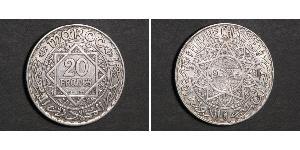
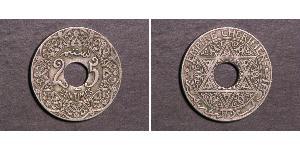
| Französisch-Marokko (1912 - 1956) | Link to Wikipedia |
Frantzösisch-Marokko: Geschichte, Münzprägung und Sammlerstücke
Welcome to a journey through time and metal. As your guide on this numismatic exploration of the former French Protectorate in Morocco, I invite you to look beyond mere surfaces of silver or copper alloys. These objects are vessels carrying memories from an era where empires shifted borders and economic powers redefined currency systems across North Africa. What we hold today represents a complex tapestry woven during a significant period between 1912 and the mid-20th century.
Historischer Hintergrund
To understand the numismatic legacy of this protectorate, one must first grasp the political landscape established in Fez. In early March 1912, a pivotal agreement transformed Morocco from an autonomous state into a territory under French and Spanish influence. This treaty did not merely redraw maps; it fundamentally altered economic structures throughout the region. The local governance retained formal titles, but real administrative power resided with appointed generals representing colonial interests.
This political transition necessitated monetary stability to support infrastructure projects such as railways, mines, and port logistics built by French engineers. A dual economy emerged where traditional barter systems coexisted with a modernized currency designed for European trade needs. The economic landscape was characterized by distinct zones: one catering to the colonial administration in new cities near the coast, another rooted deep within the historic medinas of Fez or Marrakesh. This separation influenced how coins circulated and were valued locally.
The cultural context remained crucial throughout this period. While French administrative styles prevailed from Rabat onwards, indigenous artistic traditions persisted strongly in daily life. The economy eventually stabilized enough to support a robust currency system before the mid-century shift toward independence occurred. During these decades of occupation and administration, money served as more than a trade medium; it was a symbol of sovereignty relations between Paris and Tangier.
Geschichte von Währung und Münzprägung
The monetary history during this protectorate era reflects broader colonial trends seen globally. Initially, various regional currencies circulated alongside French Francs to ensure stability in trade routes across the Mediterranean basin. Over time, a standardization took place where specific denominations and metal compositions aligned with international standards set by France.
A major phase occurred when paper money became common for larger transactions while metallic coins retained circulation within local markets. This transition required careful mint management to prevent shortages in daily commerce. During the early decades of occupation, coin designs often emphasized stability under protection rather than national independence symbols. As public sentiment shifted over forty years toward autonomy, monetary representations evolved subtly.
The currency system served a vital function for the administration managing trade and taxation between 1920s and late 1950s. Reform efforts were conducted to address inflation pressures common in global markets after World War I. Adjustments ensured that money remained functional despite changing geopolitical realities, particularly as local resistance movements grew stronger during the latter half of the century.
Münzstätten und Münzproduktion
The primary center for producing this unique colonial currency was located far across the Mediterranean in Paris at a prestigious institution. Artisans there crafted intricate dies featuring designs that blended European artistic traditions with local motifs drawn from Moroccan geography and iconography.
- Rabat served as a hub where coins destined for distribution traveled through established logistical routes before reaching coastal markets.
- Casablanca, as the growing commercial capital of French Morocco later became significant in handling paper currency rather than minting metal coinage which remained centralized abroad.
The craftsmanship displayed on these small discs speaks volumes about technical capabilities during that era. Engravers applied classical styles to depict landscapes involving palms and architectural ruins typical to historic cities like Marrakesh or Meknes. Each die represented a collaboration between metropolitan design bureaus who oversaw production, ensuring consistency in iconography across thousands of minted pieces.
Sometimes specific localities required custom struck editions adapted for regional trade routes where standard French currency was insufficient due to distance and logistical challenges involved with transporting bullion from mainland Europe. Thus, these objects bear the mark of both imperial ambition and practical necessity within colonial governance strategies throughout North Africa.
Bedeutende Münzen
One notable series that collectors frequently encounter features portraits or symbols associated with local leadership under French supervision. These designs often utilized established motifs such as eagles representing sovereignty alongside decorative elements derived from traditional Islamic geometric patterns.
Consider the circulation pieces minted during early occupation years when stability was paramount for economic development projects like railway construction in the interior regions of North Africa.
The artistic style reflects an era where French neoclassical aesthetics met indigenous cultural symbols without direct reference to political independence claims made publicly at that time.
Another significant group includes commemorative or reform issues marking currency changes implemented during later occupation decades when economic conditions required new standards. These often display refined relief patterns and intricate details in backgrounds depicting landscapes familiar to residents of coastal port cities along the Atlantic Ocean shores nearby.
The transition period leading up to total independence saw final French-issue pieces bearing subtle adjustments before local minting resumed entirely under national administration after 1956. Collectors appreciate this nuance as it marks a turning point where external influence receded from legal tender status throughout these former territories previously administered by France.
Kulturelles Erbe
The preservation of heritage visible on circulating coins mirrors broader architectural shifts occurring simultaneously during the same historical period. Just as modern city planning separated residential districts in urban areas, coin designs often featured separation between central figures and intricate background textures representing surrounding nature.
Cultural symbols such as traditional animals like horses or birds were rendered with technical precision that honored both local folklore and artistic standards imposed by foreign administration offices overseeing currency issuance throughout these years before sovereignty was restored completely.