| preceded by | ||||
|
||||

|
|||||||
 Afghan Transitional Administration (2001 - 2004)
|
|||||||

| succeeded by | ||||
|

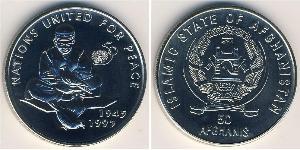

| Afghan Transitional Administration (2001 - 2004) | Link to Wikipedia |
Afghan Transitional Administration: History, Coinage and Collectibles
Welcome to an exploration of Afghan numismatics during a pivotal era in the nation’s modern history. This collection focuses on how monetary systems reflected political change, economic recovery, and cultural resilience from independence until 2004. As museum curators often guide their audiences through time, we walk together along this path where silver and gold coins tell stories of governance transitions that were far more than simple currency changes.
Historical Background
The history of Afghanistan as a collecting region is defined by its complex tapestry of rulership. Following the end of the Cold War, the nation experienced significant shifts in international relations and internal stability which impacted trade routes long established across Central Asia. The Afghan Transitional Administration emerged during this critical period where the country sought to redefine itself for the global community.
In terms of economic history, this era marked a distinct pivot from isolation toward integration with Western markets and financial institutions. The primary focus was establishing trust within banking systems that had been disrupted by conflict. Collectors interested in regional economics find value here because these years established the groundwork for modern standardization. During this timeframe, commerce re-opened to neighboring neighbors such as Pakistan and Iran via land routes which relied heavily on cash payments rather than digital transfers.
This historical context is vital for understanding why certain coin designs survived or were replaced in subsequent years. Trade goods like opium poppies ceased their dominant role due to international pressure, shifting focus toward legitimate agriculture exports where currency exchange rates became strictly controlled by newly reformed institutions. The cultural climate evolved as well; the return of artistic patronage brought interest back into historical motifs that previously adorned coins under monarchical and republican rule.
Currency and Coinage History
The evolution of money in this region is fascinating to observe because it mirrors geopolitical stability. Before 1978, silver denominations dominated the market, transitioning over decades into paper notes printed for international trade purposes. When political transitions occurred between different administrations, old coins retained their status as legal tender if they were not declared obsolete.
This administration oversaw a unique period where historical currency stocks from previous regimes circulated alongside new designs introduced under economic aid programs. While the primary tool became high-value banknotes for government transactions and international trade, small change still relied on existing metal coins minted decades prior. For collectors, this explains why certain older series remain desirable; they represented valid money during a time of global reintegration.
Reform was slow but steady due to logistical challenges in rebuilding infrastructure needed for heavy production facilities. During the early years following 2001, many transactions occurred using paper notes with designs referencing national unity rather than specific political leaders or symbols associated with previous monarchies. The transition from old copper and aluminum pieces to standardized modern alloys marked a shift toward global banking norms.
This period of fluidity teaches collectors about the continuity of monetary systems despite regime changes. Understanding these reforms helps explain how value was maintained when trust in financial institutions needed rebuilding after long periods of separation. It is an important lesson for anyone studying currency evolution where paper dominates small change and metal coins were used primarily as investment or collectible items rather than daily commerce.
Mints and Coin Production
The facilities responsible for production history have deep roots in Afghanistan’s industrial past, though the specific operations during this transition faced significant logistical hurdles. Key centers operated with international assistance to restore output levels that had declined over decades of conflict. These workshops utilized traditional techniques adapted for modern metallurgical standards.
- Kandahar:
- Taliban-era Closures While previous administrations had struggled with production during their own conflicts, this transition focused primarily on stabilizing cash flow rather than creating new coin series. Many pieces seen in collections are actually older stock minted decades before that remained valid.
Mint traditions emphasized quality and security features to prevent counterfeiting which was a significant concern as borders re-opened for trade partners. Artistic characteristics were chosen with great care, featuring landscapes of snow-covered peaks rather than political figures who might become controversial subjects later in their careers. This neutral focus is essential when analyzing designs intended for international circulation.
The shift toward digital banking meant that minting activity declined after the initial stock was cleared from shelves. However, collectors appreciate this period because it demonstrates how governments choose what to produce based on economic necessity rather than purely artistic ambition during transitional phases of history.
Notable Coins
In any national history focused collection, identifying pieces that bridge eras is the greatest challenge and reward. While few new coins were struck specifically under this interim government’s authority, earlier series retained high value for their association with Afghanistan's currency evolution.
- The Standard Rial Series
- Modern Silver Commemoratives
- Dominant Gold Pieces
Importance to collectors derives from knowing which pieces circulated before the administration stabilized into a new government later on. The presence of these coins proves that economic life continued even while political structures changed drastically.
Cultural Legacy
The coinage reflects much more than just economy; it embodies national identity and resilience against disruption. During this phase, artistic designs began returning to themes representing the landscape such as cactuses found in northern regions or mountains visible from high elevations which served as landmarks for travelers.
Rulership symbolism shifted toward unity rather than specific dynasties after independence was secured. The use of national colors like red and white on paper notes mirrored designs seen earlier decades but adapted to current needs. Collectors often look at these items to understand how nations choose symbols that unite diverse populations from various provinces under one flag.
The legacy is clear in the way modern pieces are designed today; they maintain historical motifs while introducing new technology into security features for international transactions. This continuity ensures that future generations of collectors will find value not only in metal content but in stories told by designs representing Afghanistan's journey to recovery and recognition abroad.
For Collectors
The Afghan Transitional Administration stands as a bridge between earlier histories and modern economic structures today. For enthusiasts, the focus is on pieces that illustrate stability returning after conflict rather than specific regime issues which were temporary by nature of international support provided during recovery efforts.
- Historical significance provides context for market trends regarding regional currencies.
Rarity remains high because production facilities struggled to operate continuously in these early years. Understanding how coinage was handled offers insight into banking stability issues that collectors face today when acquiring pieces from other conflict-ridden regions of the world.