| Ver |
| precedido por | ||||
|
||||

|
|||||||||
 Electorate of Bavaria (1623 - 1806)
|
|||||||||


| sucedido por | ||||
|

| Electorate of Bavaria (1623 - 1806) | Enlace a Wikipedia |
Electorate of Bavaria: History, Coinage and Collectibles
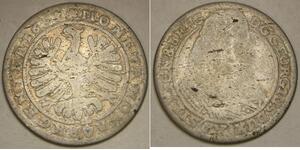
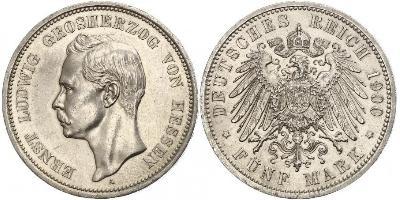
Bavaria stands as one of the most significant territories in European history for anyone interested in numismatics. For collectors seeking to understand the cultural tapestry of continental Europe through silver and gold, this region offers a compelling story that spans centuries. To trace the coinage is to witness the transformation of an independent duchy into an Electorate within the Holy Roman Empire.
Historical Background
The origins of Bavaria stretch back deep into pre-Christian times among Germanic tribes, but it was the rise of the Wittelsbach dynasty that fundamentally shaped its trajectory. Under this noble house, the region evolved from a peripheral march in imperial politics to one of the richest and most influential domains within the Empire.
This evolution was not merely political; it had profound economic implications. For centuries, Bavaria acted as the primary conduit for trade between the wealthy cities of Northern Europe and Italy via the Alpine passes. Control over salt mines near Augsburg or Munich provided immense wealth that needed to be circulated efficiently across vast territories. This demand fueled local economies well before they integrated with modern banking systems.
Culturally, Bavaria became a sanctuary for intellectual thought during periods when other Germanic regions were fracturing under political strain. The court in Munich attracted poets and artists who would eventually define the aesthetic sensibilities seen on state currency later in the seventeenth century. This cultural renaissance was mirrored by economic stabilization, allowing rulers to focus less on securing borders against neighbors and more on refining their monetary systems.
The path to becoming an Electorate involved complex negotiations with the Emperor of Rome's Empire and neighboring states like Austria and Saxony. These alliances were often sealed not through treaties alone but through marriage contracts involving substantial dowries, some paid directly in precious metals via coin transfers between families. Thus, every major diplomatic shift within Bavaria had a numismatic footprint that has survived for generations.
Currency and Coinage History
The history of money in this region reflects the broader monetary shifts across Europe from solidus to silver standard systems used throughout the continent today. In its earliest days, coinage was often irregular, produced by various town officials with varying degrees of purity.
A pivotal moment occurred when Bavaria adopted a more standardized thaler system under imperial decree that required states to maintain strict weight standards while allowing some flexibility in design and mint mark variations. This reform allowed for smoother trade across borders as foreign merchants could rely on specific silver content guarantees marked by the mint's insignia.
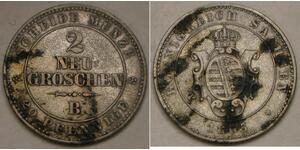
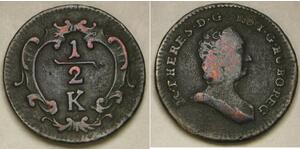
Bavarian currency evolved alongside other Germanic principalities, yet it developed a distinct style that prized high artistic standards despite being often lower denomination than its gold neighbors used in international transactions. The Groschen and Kreuzers became ubiquitous during daily commerce because they were struck continuously with minimal interruption over many decades of political upheaval.
The role of coinage in government grew as the state required to finance armies, infrastructure projects like road building for military transport or castle maintenance, which consumed vast resources previously allocated through feudal levies. As centralized power increased during late eighteenth century reforms led by Emperor Joseph II and his Bavarian ministers, mints received new instructions requiring more detailed portraiture of current rulers on obverse designs.
Mints and Coin Production
Bavaria possessed multiple active minting centers throughout its history with each location specializing according to local economic demand or artistic tradition. The earliest established operations were located in cities like Landshut, which had a long-standing reputation for producing high quality copper issues used locally before expanding into broader regions.
Munich eventually emerged as the premier facility overseeing large production runs intended for national circulation and foreign trade export purposes during peacetime years. The transition from manual hammering techniques to precision engraving processes revolutionized design clarity visible even on worn examples today held in private collections globally.
The artistic traditions at these facilities emphasized heraldic detail, such as precise rendering of the double eagle or lion symbols representing territorial power alongside religious motifs indicating piety during mass worship times within local parishes across villages and cities alike. Master mintmen worked closely with court artists who ensured consistency without sacrificing individuality in how specific elements like crown designs were treated on royal pieces struck annually.
During the Baroque period, Bavarian coinage saw technological advancement similar to developments happening simultaneously elsewhere but adapted for local tastes emphasizing intricate floral ornaments surrounding portraits of rulers against backgrounds suggesting natural landscapes or architectural features reflecting grandeur achieved through patronage arts movement flourishing regionally at time.
Notable Coins
The legacy begins with the early Groschen issues where metal content remained relatively high. These coins were produced to facilitate internal trade networks that connected smaller agricultural communities supplying foodstuffs for growing urban populations located along major river valleys flowing south towards sea ports in northern Europe.
A particularly significant period saw widespread circulation of half-gulden pieces under Maximilian I which depicted simplified iconography suited mass usage while maintaining sufficient silver content to prevent debasement scandals common during earlier feudal eras when kings struggled financing expensive campaigns against neighbors demanding ransom payments collected across vast territories beyond frontiers defined by modern maps.
Coinage from the late eighteenth century often featured refined portraits showing softer facial features typical of contemporary painting styles influenced French artistic movements arriving via trade routes passing through Alps connecting southward toward Italy and northward onward Germany where new technologies allowed engravers carve finer lines into hardened steel dies used for striking thousands identical copies daily.
The gold coins struck during imperial periods often represented wealth transfer between European powers while smaller denominations found use in markets selling local produce to buyers arriving from neighboring regions seeking access goods manufactured inside fortified walls protecting cities against bandit raids that plagued rural paths before modern police forces established order throughout countryside areas spanning mountains valleys and plains alike.
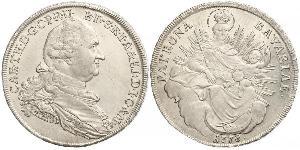
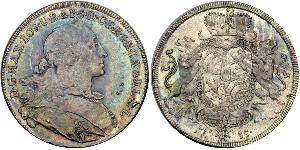
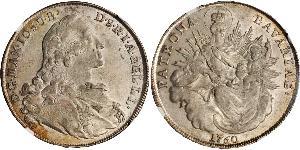
For collectors, finding an example showing signs of minimal wear on reverse side where shield device remains clear indicates excellent preservation while obverse portrait retains sharpness around jawline or hair indicating die freshness even after decades passed since last use during wartime when economies suffered inflation leading to hoarding behavior preserving only those pieces deemed valuable enough keep hidden in attics until auction rooms reopen post-conflict.
Cultural Legacy
The coinage from the Electorate of Bavaria serves as an enduring testament to how art, economy and politics intersected across centuries. Each strike represents a moment where government authority met local tradition through choice materials selected for durability against harsh winter conditions encountered when moving armies northward toward borders established by treaty negotiations often influenced religious conflicts elsewhere in Europe.
Symbols used frequently depicted on these pieces tell stories about values held most dear within society at time, whether that loyalty to crown shown clearly during festivals celebrating monarchs birthdays or feasts marking harvest seasons celebrated throughout villages nestled against forested hillsides surrounding mountain peaks offering views stretching far beyond horizon lines drawn by clouds drifting slowly over snow capped summits above valleys below.
The shift from simple heraldic devices toward more complex architectural scenes reflected growing civic pride as cities expanded their walls and built grander cathedrals dedicated to saints who were venerated locally before spreading influence outward reaching wider audiences among pilgrims traveling long distances seeking spiritual guidance found only within sacred places established centuries ago by missionaries venturing across unknown lands searching for communities needing Christian conversion.
For Collectors
Bavarian coins offer a unique opportunity to study the evolution of Western numismatics without getting lost in fragmented catalogs typical of smaller Germanic states. The focus here should remain on condition, rarity relative historical context and artistic merit rather than market price alone.
- Prioritize examples where die wear has not obscured fine details like floral ornaments surrounding portraits or inscriptions denoting mint location found around rims indicating high quality craftsmanship achieved over centuries of practice among master engravers residing within royal courts patronized by local nobility seeking prestige through grand architectural projects often funded via revenue collected from customs duties levied on goods imported into port cities during busy trading seasons when merchants loaded ships departing south toward Italy carrying wine silk and spices back home where demand exceeded supply causing prices rise significantly over short periods.
- Look for silver issues produced under regimes known to maintain high standards regarding purity levels as debased coins are less desirable historically speaking because they represent corruption or instability rather than prosperity indicating strength character building foundations necessary sustaining nation throughout turbulent times involving war diplomacy trade negotiations all occurring simultaneously requiring constant vigilance against external threats posed by foreign armies invading neighbors seeking resources needed for survival.
- Finally appreciate aesthetic qualities preserved best in proof struck pieces minted specifically collectors who valued beauty over utility despite scarcity caused low demand historically compared mass circulation examples seen often worn down heavily during daily use across markets selling vegetables clothing tools weapons and other essentials required keeping families fed safe healthy well enough to bear children grow up strong productive citizens contributing society through work labor creativity innovation spirit fostering growth prosperity wealth accumulation benefiting everyone involved.
The enduring appeal of Bavarian coinage lies in its ability to transport viewers back into moments where history was made on a small scale, turning gold and silver bullion into tangible proof that civilization has advanced while preserving traditions that bind generations together today.