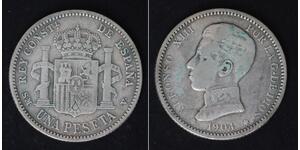
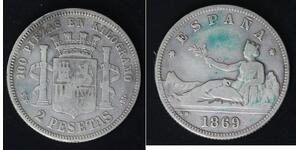
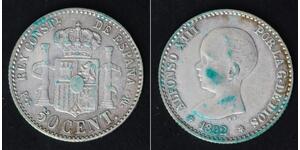
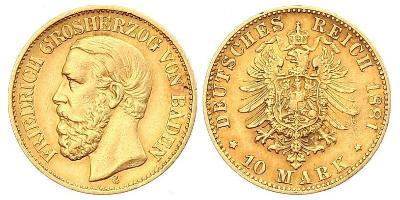
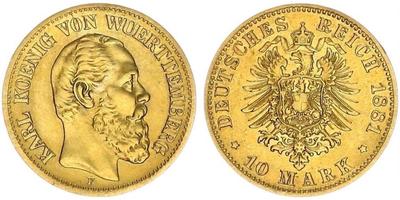
| Смотреть |
| предшественники | ||||
|
||||

|
|||||||
 Королевство Испания (1874 - 1931)
|
|||||||

| последователи | ||||
|

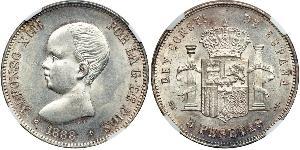
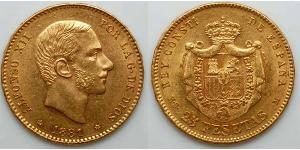
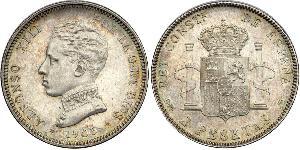
| Королевство Испания (1874 - 1931) | Ссылка на Википедию |
The Spanish Restoration: History, Coinage and Collectibles
Welcome to HobbyRay.com, where we explore the tangible history preserved in metal. Today, our gaze turns toward Spain during a pivotal era known as La Restauración. This period represents more than just political stability; it is an encapsulation of late 19th-century prosperity and artistic transition found squarely within your coin cabinets.
In the museum halls where artifacts are curated with care, few items tell a story so vividly as these numismatic relics. They bridge the gap between old-world monarchy traditions and new industrial age precision. As we examine this specific chapter of Spanish history through its currency systems, we find objects that reflect a nation recovering from civil upheaval and stepping confidently onto a global stage.
Historical Background
To understand why these coins matter so much to the enthusiast today, one must appreciate the turbulent times preceding this era. Spain had recently suffered through an extended period of instability following various conflicts in the late 1800s and the First Republic that preceded it. The country faced significant challenges regarding trade deficits and industrial stagnation.
The turning point came with a strategic return to monarchical governance, known historically as the Restoration of King Alfonso XII. This era was characterized by political alternations between two prominent parties—the Conservatives led by Cánovas del Castillo and the Liberals under Sagasta—collectively termed turnismo. While this sounds like dry parliamentary history, for a coin collector, it signifies an economic boom period.
The economy began to modernize. Trade with Latin America was in its infancy of expansion during these decades, fueling demand for currency that could stand up to international standards. The culture also shifted; industrialization meant coins were no longer merely symbols of royal authority but instruments of commerce required by merchants and travelers.
This cultural backdrop is essential because it directly influenced artistic trends seen on the metal itself. Just as architecture in Europe began shifting from traditional styles toward Art Nouveau, Spanish coin designs adopted more modernist lines while retaining classical iconography representing power. Understanding this shift explains why certain silver issues are prized today: they capture a moment of national identity consolidation amidst rapid change.
Currency and Coinage History
The monetary system in Spain underwent profound evolution during this transition period. For centuries, the Real de Azoque or its silver equivalents were standard for internal trade. However, as Spain integrated more deeply into global markets following independence movements across South America, a stable gold and silver currency became necessary.
The most significant monetary development occurred with the formal adoption of decimalization processes during this time. This was not merely an administrative change but a structural shift in how value was perceived by the public. The Peseta, originally defined as 10 centavos, eventually became the primary unit.
During these years, gold coinage largely consisted of sovereigns modeled after earlier Spanish traditions, such as those commemorating Charles V or depicting King Alfonso XII in a classicizing style. Silver circulation was dominated by pieces intended for internal use and trade with colonial possessions like Puerto Rico or Cuba before independence.
This evolution is crucial to collectors because it marks the decline of purely regal currency toward standardized international money. While many nations moved away from silver dollars, Spain maintained their production through this era due to specific economic needs within its imperial network.
Mints and Coin Production
The minting technology in Madrid during the late 19th century was world-class. The Spanish Mint operated under strict oversight to ensure that coins met international weight standards, a necessity for foreign trade. However, production centers were not limited strictly to Madrid; mints also existed at Barcelona and other strategic points.
The transition from handcrafted coinage dies to high-pressure hydraulic press technology is evident when comparing earlier issues with those struck during this period. The metal used—specifically the silver composition of sovereigns—became a point of contention internationally, as foreign nations sometimes refused Spanish coins due to slight variations in fineness.
This technological advancement influenced the artistry on the obverse and reverse designs. Where older pieces might feature intricate engravings by hand-hammered styles or low-relief engraving, these period examples show sharper definition and deeper details caused by machine pressure. The mint also developed distinct "proof" qualities for high-end collectors.
Notable Coins
Focusing on the items that remain most desired in private collections today requires an understanding of what defines their value beyond rarity alone: they are historical markers from this transitional era.
- The Silver Dollar Issue:
- The Sovereign:
- Copper Centavos and Bronces:
Each piece requires close inspection because the difference between standard circulation strikes and limited proof issues can be subtle but profound for an expert eye. The condition grade matters significantly here; scratches or heavy wear on a silver coin diminish its aesthetic appeal considerably, often more than weight variations might.
Cultural Legacy
The coins produced during this era are tangible reflections of the nation's self-image in 1905 to just before the Great War. They display symbols that emphasize unity and royal stability rather than the colonial conquest motifs seen decades prior.
This cultural legacy is evident when studying reverse designs featuring national coats of arms or depictions of industry, such as mines being worked by steam engines—a direct nod to Spain's growing industrial capacity during this time. These coins were not merely currency; they were propaganda tools for a government attempting to solidify its legitimacy following centuries of political turmoil.
The art style is distinctly important here too. As European artists embraced new forms, Spanish engravers retained classical themes but applied them with greater realism in portrait work and texture on backgrounds. This artistic direction ensures that these pieces hold aesthetic value even without the precious metal content.
For collectors
The significance of acquiring numismatic items from this specific period lies in their ability to document a nation's path toward modern stability. They are not just collectible objects; they are historical records of economic recovery and artistic maturity during Spain’s early 20th century.
- Rarity vs Condition:
The market remains active because these pieces offer a unique bridge between 19th-century classicism and early modern numismatic practices. Whether you are building an investment portfolio or curating a personal collection focused on history, these coins provide context for the broader narrative of European economic integration during the age of imperial trade.
In summary, while political changes continued to shape Spain throughout this century, the metal struck between 1875 and 1930 stands as a testament to enduring craftsmanship. For any numismatist looking to understand not just value in ounces but historical context within their hands, these issues offer an unparalleled introduction into late monarchic financial history.