
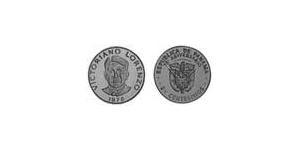
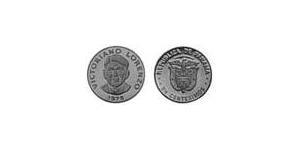

| Victoriano Lorenzo (1867-1903) | Link to Wikipedia |
Victoriano Lorenzo (c. 1870–1903) History and Coinage
The Man Behind the Monument
In the annals of Panamanian history, few figures embody the spirit of indigenous resilience and national determination quite like Victoriano Lorenzo. Born into a humble family in the province of Coclé during the 1870s, he emerged from his community as an elected official before becoming a military leader for the Liberal cause within Colombia's Thousand Days' War.
Lorenzo was more than just a soldier; he championed critical issues regarding land rights and political representation for indigenous peoples who were often marginalized by state bureaucracies. When diplomatic avenues failed to secure justice, Lorenzo organized armed resistance alongside Panamanian patriots like Belisario Porras. Following the Liberal defeat in 1902, his troops refused surrender commands from Colombian authorities and continued their guerrilla campaign in a base called La Trinchera.
Lorenzo was eventually lured into an ambush near Plaza Francia on May 15, 1903. His execution galvanized public sentiment so strongly that it precipitated the secession of Panama from Colombia shortly thereafter. This pivotal moment established Lorenzo not merely as a rebel general but as a foundational symbol in the newly emerging nation's narrative.
The Numismatic Legacy
Nations often immortalize their heroes through currency to solidify national identity and honor significant historical transitions. In this regard, Victoriano Lorenzo appears on official Panamanian state issues following his death and separation from Colombia. The Republic of Panama utilized various denominations, including early 1 Balboa notes and commemorative coinage issued in later centuries featuring the likeness or name of the General.
The placement of his portrait was intentional and symbolic. Issued posthumously around Independence Day and Separation Day (November 3), these currency pieces represented a break from colonial rule by celebrating an internal hero who had resisted foreign oppression to secure sovereignty for the region's indigenous communities. Collectors interested in Republic of Panama history will find him depicted on items issued during the nation-building era, where the state officially recognized his contributions as essential to their identity.
A Guide for the Collector
Serious collectors value numismatic pieces associated with Victoriano Lorenzo due to their connection to major geopolitical events. These specific issues are sought after by those focusing on South American history and independence narratives, where currency serves as a tangible record of political struggle.
- The items often possess historical importance rather than just monetary rarity in the modern market context.
- Lorenzo's association with indigenous rights adds depth to specialized collections concerning minority representation and cultural heritage in Latin America. The narrative surrounding these pieces educates buyers about land conflicts and early state-building efforts within Panama.
When examining Lorenzo-related currency or coins, attention should be paid to condition reports that reflect the passage of time since his death. For history enthusiasts, finding a piece with provenance from an era celebrating the hero's legacy offers insight into how modern Panamanian leadership honored their own founding fathers. These numismatic artifacts remain accessible entry points for understanding the complex story behind one of Latin America's most compelling national heroes.


