| Duardare |
| preceduto da | ||||
|
||||

|
|||||||
 Islamic Republic of Afghanistan (2004 - )
|
|||||||

| sostituito da |
| Islamic Republic of Afghanistan (2004 - ) | Link a Wikipedia |
Afghanistan: History, Coinage and Collectibles
Historical Background
The nation known to us today as Afghanistan has stood at the critical crossroads of ancient civilization for millennia. Situated in a strategic position bridging Central Asia with South Asia, this region served historically not merely as a transit zone but as an active participant in trade networks that defined empires from Rome to Tang China. The territory encompassed diverse cultures and dynasties, most notably the Kushan Empire which flourished alongside ancient India, creating conditions favorable for cultural exchange and early forms of commercial stability.
The importance of this geography cannot be overstated when viewing it through the lens of economic history. Control over these trade routes meant control wealth and influence across vast distances. During various periods in antiquity, merchants carried goods from Samarkand to Calicut, using local monetary mediums that facilitated exchange between disparate cultures. Over time, successive rulers—from Greek invaders like Alexander to the great Islamic conquerors—shaped a political landscape where currency evolved alongside shifting borders.
The region's history is one of resilience and continuity despite frequent changes in sovereignty. This persistence left an enduring mark on local governance systems that managed trade. The Silk Road was not just a path for caravans but also the conduit for monetary standards that connected East to West. Collectors often look at this legacy to understand how coinage served as a tool of diplomacy and commerce long before modern banking systems existed in Asia.
Currency and Coinage History
The evolution of money in Afghanistan reflects broader shifts across the Eurasian continent, moving from early metallic standards used by Greek successors into distinct Islamic currency forms. Initially, coinage followed international standards set by empires like the Sassanid Persian or Gupta Indian powers, utilizing precious metals to validate trade agreements. The Durrani Empire emerged as a significant force in numismatic history during the eighteenth century, introducing gold and silver denominations that marked their sovereignty over regional commerce.
Minted coins became essential for state revenue collection from taxes levied on these ancient roads of transit. The introduction of copper and brass lower-value tokens allowed merchants to make change without depleting supplies of pure silver or gold needed for large international trade payments. This stratification of denominations mirrored European systems, demonstrating how global economic practices were adopted by local rulers.
In the late nineteenth century, British influence during the colonial administration brought a reorganization of coin types and standards to ensure compatibility with Indian currency in transit through Afghanistan. However, as independence movements grew after World War I, new governments established distinct series under their own names to symbolize national identity. The transition toward modern decimal coins marked another shift where foreign silver dirhams were replaced by the Afghan Afghani, though collectors often seek earlier gold and silver pieces that defined this legacy of economic sovereignty.
Mints and Coin Production
The physical location of coin production played a vital role in quality control and artistic consistency. For centuries, coins were hand-hammered rather than machine-struck due to the availability or unavailability of presses. Early artisans working at mints such as those in Kabul or Peshawar developed distinct styles that emphasized religious motifs alongside royal portraits.
-
The early hammering process created unique textures where metal was raised from both sides simultaneously, resulting in a softer relief compared to modern pressure striking.
- Artists utilized traditional die-cutting techniques often passed down through guilds of silversmiths and goldsmiths trained within ancient craft traditions. These skills allowed for detailed representations that included floral patterns or religious symbols appropriate for the local population at the time.
-
The shift to machine pressing in later decades introduced sharpness but also altered value by increasing production volume, a common occurrence throughout global numismatics.
Notable Coins
Coin collectors seeking historical significance should prioritize items from the late Durrani period. One of the most historically important pieces is the gold mohur featuring the name Ahmad Shah Abdali, ruler who unified much of Persia and surrounding regions with these ancient boundaries. These coins display a profile bust alongside traditional script that indicates the mint year.
Another class worth seeking includes large silver dirhams or rupees issued before full integration into modern systems. These are often distinguished by their high metal purity, reflecting standards used when gold was still abundant in local trade reserves to support commerce with Russia and Persia during the Great Game era of exploration between British India and Russian Empires.
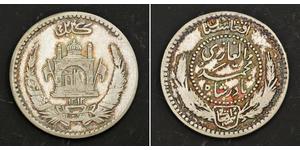
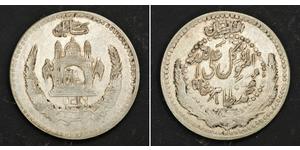
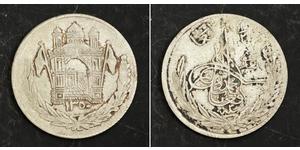
Silver coins minted under early republic governments also attract interest for those who appreciate transition periods where new states solidified economic independence. The designs on these pieces often included national symbols such as mosques or horses, representing local heritage that persisted through political shifts in the late twentieth century.
Cultural Legacy
The artistry found on these metal disks reveals much about Afghan society and beliefs beyond simple monetary function. In a land with rich cultural traditions spanning thousands of years, coinage reflected religious tolerance while maintaining distinct national symbols that defined civic identity during periods when borders were fluid.
- Islamic calligraphy adorned the faces of silver coins from Islamic eras
- Pictorial imagery featured on gold issues highlighted local fauna like lions and horses found in historical records or mythology
Silver dirhams struck during these centuries allowed travelers to identify regions not just by maps but by monetary symbols they recognized from earlier cultures that had minted them. This visual continuity connects collectors today with the past, offering a window into daily life on ancient trade routes where money was used for market exchange and taxes alike.
For Collectors
A collection of Afghan coinage represents more than just pieces of metal; it is an archive of history written in precious substances. The region remains important to collectors because the items offer a tangible connection between East and West across centuries where trade was conducted without modern banking or paper money.
- Rarity varies based on survival rates given historical conflicts that affected preservation
- The demand for high-quality silver pieces with full original luster continues in current markets
Finding these items requires patience and knowledge of the local context. They stand as monuments to ancient civilizations whose economic systems shaped global commerce long before modern technologies existed today.