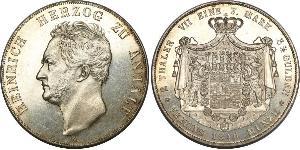
| Henry, Duke of Anhalt-Köthen (1778 –1847) | Enlace a Wikipedia |
Henry de Anhalt-Kóthen (1778-1847): Historia y Numismática
Vivir en las cortes del Sacro Imperio Germánico durante finales del siglo XVIII implicaba navegar entre tradiciones feudales emergentes y la administración prusiana. Henry, príncipe de Pless y duque de Anhalt-Köthen, encarna este periodo transicional donde los nobles actuaban como gobernantes locales con influencias imperiales crecientes.
Biohistoria
Fundado en la Casa Ascania, Henry nació hijo menor pero ascendió al poder tras sucesiones complicadas. En 1830, tras la muerte de su hermano mayor, asumió el gobierno del ducado de Köthen y mantuvo también la administración sobre Pless hasta su fallecimiento en 1847. Su servicio activo como oficial prusiano le otorgaba prestigio militar mientras que su patrocinio al creador de la homeopatía, Samuel Hahnemann, refleja una mente cosmopolita.
Su relevancia histórica reside no solo en el gobierno local, sino en cómo sus territorios funcionaban dentro del mercado monetario alemán unificado tardío. A diferencia de los grandes reinos que emitían monedas estandarizadas tempranamente, principados menores mantenieron autonomía fiscal relativa antes de las reformas finales.
Narrativa Numismática
Durante su reinado y el periodo subsiguiente, la acuñación monetaria en los ducados anhaltinos continuaba utilizando escudos locales y nombres dinásticos para identificar la legitimidad de gobierno. Aunque integradas a menudo con las monedas prusianas por conveniencia comercial, estas piezas reflejan el derecho del soberano a aprobar diseños que marcaban su autoridad política.
Coleccionar estos elementos permite entender cómo los pequeños estados manejaban la economía propia frente al imperio federal naciente. Los numismáticos valoran estas fichas no tanto por contenido metálico, sino como documento de estado político antes del Reich alemán centralizado en 1871.
Hay que buscar monedas con marcas iniciales o escudos familiares para distinguir el periodo bajo su mando específico y comprender la identidad regional. La calidad artística varía según los contratistas locales, pero siempre representa un compromiso artístico dentro de límites técnicos modestos comparados con las grandes capitales europeas.