| Sehen |
| vorangegangen von | |
 Vereinigte Arabische Emirate (1971 - )
|
| gefolgt von |
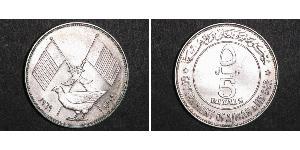
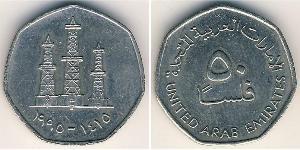
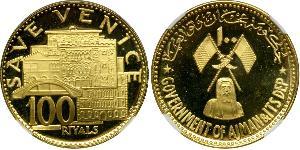
| Vereinigte Arabische Emirate (1971 - ) | Link zur Wikipedia |
Vereinigte Arabische Emirate: Geschichte, Münzprägung und Sammlerstücke
Welcome to the narrative of a nation forged from sand and ambition. As we step into this gallery dedicated to numismatics within one of Asia's most rapidly transforming states, you will find that our modern coins are not merely currency; they serve as physical vessels for history. They reflect an island civilization in time. Today I wish to share with you the story behind these precious items.
Historischer Hintergrund
To understand what lies between metal and paper, we must first look at land shaped by tides and trade routes long before oil was pumped from deep within the earth's crust. The emirates that now form this federation were once scattered islands on a pearl-diving network known in British circles as the "Trucial States". In these days of early contact with Europe, wealth flowed through pearling fleets rather than pipelines.
This coastal history defines the landscape we see today and influences everything from their cultural heritage to national identity. The emirates formed an alliance after gaining independence at a decisive moment in 1972-1973 when it emerged as a federation uniting seven member states within this region of Southwest Asia.
This political unification is significant because coins have historically served two main functions: paying for goods and displaying the identity of those who issue them. The early days were defined by independence from colonial influence, which meant creating entirely new national symbols while maintaining ties to established cultures in their respective regions like South-East Asia.
The shift towards oil wealth changed everything economically within this short period after unification but also transformed how they thought about statecraft and sovereignty on a global level. In the past few decades alone since independence, these small coastal settlements have risen into positions of economic influence among neighboring states in their region around South-East Asia.
Geschichte von Währung und Münzprägung
The financial evolution seen today represents how this nation transformed its economy within a modern era characterized by oil wealth and globalization. The early currency systems that emerged were primarily based on gold coins, though they quickly adapted to the global monetary system which favored paper money due to ease of use in international trade.
In 1973 when independence from Britain was finalized for this nation-state region within South-East Asia at large scale then known previously as "Trucial States", new currency systems were needed that would facilitate rapid economic growth fueled largely by their oil industries and later diversified into other sectors such as tourism.
The transition involved abandoning older silver coins widely used in neighboring countries to adopt fiat money backed directly by government reserves instead. This shift was necessary for integration with global markets where traditional bullion-based systems were no longer practical or efficient enough due to the volatility of oil prices and changing international trade dynamics over recent decades.
The introduction of paper notes became central as banks developed more sophisticated financial infrastructure capable of supporting large-scale commercial transactions typical of modern economies relying heavily on service sector growth along with industrial development within these territories previously controlled by British protectorates in 19th century history records.
Münzstätten und Münzproduktion
The minting process is a meticulous craft where art meets science, though much work happens digitally or off-site. While many of today's circulating coins are produced commercially to international standards often handled by regional partners like Saudi Arabia for practical reasons regarding volume.
However, the real collector treasure lies in special limited edition proofs designed specifically for enthusiasts and diplomatic exchanges which showcase incredible artistic detail typical of Islamic calligraphy combined with geometric motifs representing traditional architecture or local wildlife species found throughout coastal regions stretching from Oman down southwards towards southern Arabian peninsula borders established during British rule centuries ago.
The production quality is often world-class, utilizing advanced machinery while maintaining strict design oversight to ensure consistency across different denominations issued annually. The visual identity remains consistent yet evolves over time reflecting changing economic fortunes or anniversaries marked by issuing commemorative pieces that capture the essence of national milestones achieved during decades since first unification as independent country known officially today within Arab world.
The mint itself is rarely visited because its operations are strictly controlled and secretive, though we know designs originate from talented artists working under government commissions to create works reflecting deep respect for local culture while appealing to global audiences of collectors worldwide. These efforts demonstrate pride in heritage preservation alongside economic progress seen across entire region spanning Arabian Gulf waters where oil wealth has allowed investments into education and infrastructure development visible everywhere now.
Bedeutende Münzen
The first gold coins minted after independence are particularly sought-after for their rarity. These were often issued as proof sets in high quantities relative to standard circulation needs, yet remain desirable because they represent the dawn of sovereignty for a young nation that has risen rapidly from regional obscurity to global prominence during last fifty years since gaining complete freedom.
Different emirates issue distinct designs highlighting their local heritage. For example one can find coins featuring camels or falcons which appear in daily life among residents living near desert fringes bordering Saudi Arabia and neighboring countries within larger Arabian Peninsula spanning region containing oil fields stretching northwards toward Iran's southern borders where ancient trade routes intersected modern shipping lanes transporting goods worldwide.
The silver dollar denominations are popular due to their use for international tourists arriving on ferries or flights landing at large airports serving millions of visitors annually who visit famous cities like Dubai, Abu Dhabi and Sharjah which have all become centers drawing travelers from around entire world seeking entertainment opportunities available only in Gulf States offering modern amenities not found elsewhere globally.
The gold coins stand out as diplomatic gifts exchanged with foreign dignitaries or sold directly to collectors. These items feature intricate designs depicting falcons soaring high above palm tree lines against clear blue skies typical of desert climates across Arabian Peninsula stretching from southern Iraq borders up northwards through Iranian territory where ancient civilizations once thrived millennia ago before oil age arrived.
The visual storytelling on these coins is powerful, combining traditional Islamic patterns with images representing modern achievements. This blend creates unique numismatic art that tells history beyond just numbers stamped into metal surfaces by machine presses located far from public view within guarded facilities ensuring security of state assets managed carefully by federal government responsible for currency issuance across entire union consisting now seven member states.
Kulturelles Erbe
The cultural significance cannot be overstated when analyzing how coinage reflects national identity. For example, the depiction of traditional attire on reverse sides communicates pride in local customs and history dating back thousands of years before modern borders drawn arbitrarily by colonial powers reshaping maps previously controlled entirely by tribal alliances formed over generations stretching far beyond current political boundaries.
Cultural motifs such as camels serve dual purpose: they honor Bedouin heritage while simultaneously acknowledging their importance to economic development through tourism sector which has grown significantly alongside oil revenues generated since independence was granted formally in early 1970s after successful negotiations with European powers managing protectorate treaties governing trade relations involving pearling fleets operating under strict conditions imposed by London until recent times ended colonial influence.
The coin designs reflect a commitment to preserving traditions while embracing global integration. This duality is unique because it allows young nation-state formed through coalition of previously independent rulers working together now as federal republic governed constitutionally adopted after gaining full sovereignty over internal affairs within Gulf region containing oil fields beneath seabed waters stretching eastwards into Oman's western borders near Musandam peninsula known locally for pearl diving activities that once sustained entire economies before petroleum age arrived unexpectedly in early 1960s.
Für Sammler
You are invited to look beyond market fluctuations and see what makes these coins truly valuable. Collectors should focus on the artistry, historical context behind each design choice made during official state ceremonies celebrating anniversaries or major achievements within decades since unification took place officially in late 1970s marking beginning of new era for people living across southern Arabian peninsula region containing oil fields beneath seabed waters stretching eastwards toward Iranian territory.
The true collectors appreciate rarity and condition over mere face value. Many pieces were minted specifically as commemorative sets given to international partners or used strictly within government circles before entering private collections decades ago when they became accessible today through auctions where provenance is key factor determining final price paid by eager buyers seeking prestige associated with owning artifacts representing wealthy emerging economy that transformed itself quickly from modest beginnings fueled largely by natural resources abundant beneath desert sands surrounding coastal areas known globally for pearls and oil exports.
In conclusion, the numismatic collection offers a window into understanding how culture intersects politics through currency policy implemented over time to establish new nation-state independent of British influence but maintaining diplomatic ties with former colonial powers while forging relationships throughout world trading networks established long before independence was granted formally in early 1970s after successful negotiations concluded peace treaties signed by local rulers recognizing authority transferred from London back into hands now governed entirely locally under constitution adopted decades later.