| Sehen |
| vorangegangen von | |
 Kolumbien


| gefolgt von |
| Kolumbien | Link zur Wikipedia |
Kolumbien: Geschichte, Münzprägung und Sammlerstücke
Liebe Besucher unserer virtuellen Ausstellung,
welcome to a journey through time and metal. Welcome to Colombia.
We are accustomed to thinking of this South American nation solely for its vibrant landscapes—the Andes rising like ancient walls, the Amazonian rainforest breathing in deep emerald tones—but today we invite you not merely as tourists looking at photos from brochures but as seekers holding pieces that capture centuries of history between their fingertips. Today I want to speak about a specific type of treasure hunting: the pursuit of numismatic antiquity within the borders of this golden republic.
We often describe Colombia simply by its geography, by its climate or its natural wealth in terms of emeralds and coffee beans; however, for our guests with an appreciation for fine arts from the ages and history of money we must understand how gold was perceived. Early explorers were attracted not just to land but specifically to that metal which seemed almost magical as it flowed freely down rivers like a waterfall in the Caribbean coastal region.
Historischer Hintergrund
The pre-Columbian culture had already refined this precious metal and created items of high craftsmanship before the Europeans arrived, yet they did not seek them out. The arrival brought disruption but also massive industrialization; for more than two centuries from 1510 onwards gold rushes occurred which enriched Spain while fueling internal colonial growth until independence was declared in early 19th century.
We do not look at the history of this country through a lens of modern political conflict, nor with recent tensions. I want to bring your attention instead to how trade routes were established and changed as they grew out of necessity for coffee exports or sugar production where these goods needed protection by shipping vessels from overseas territories.
The early Republic in 1820 saw independence declared but it meant a need for own monetary standards rather than just relying on foreign currency like the Mexican peso which circulated widely due to trade deficit. Thus we move into our second section of today's journey and trace the path that connects gold mines, emerald deposits, coffee plantations with coins stamped in Bogotá.
Geschichte von Währung und Münzprägung
In those early centuries Spain brought a pure currency standard but local colonies usually needed fractional standards like copper-based pieces. As Latin America became part of the new world order from independence to mid-19th century, many regions adopted silver as their primary medium for trade and commerce while keeping older Spanish denominations or transitioning slowly into decimal systems.
We can trace how economic policies changed over time due to inflation caused by gold production in 20th century but also earlier fluctuations during colonial times where local governments sought autonomy from central authorities. The need was clear: a government cannot pay soldiers without adequate money and must ensure enough supplies reach the borders for defense or trade.
Münzstätten und Münzproduktion
For our collectors there is great fascination with mint stamps found on these pieces; early colonial silver from Bogotá bears distinctive marks like letters 'C' or 'N' to denote origin and authenticity. These small engravings speak volumes of administrative changes within the viceroyalty.
The artistry behind these coins often surpasses that produced in Spain itself for quality control reasons since skilled engravers preferred working on-site where they understood local traditions rather than sending dies across oceans from Europe.
Bedeutende Münzen
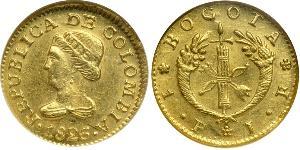
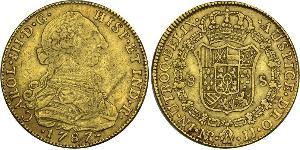
Among the most sought after types are silver pesos minted here during viceroyalty era and later gold escudos or pieces bearing early republican images. These coins were struck with great care often featuring national heroes like Simón Bolívar depicted in allegorical forms rather than literal portraits as Latin American trends then demanded before they embraced modern iconography for portrait coinage.
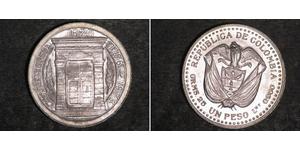
Early designs featured motifs such as the Andes, indigenous imagery or landscapes like San Agustín which reflect local pride while establishing identity against European traditions. Even though gold was abundant and silver plentiful these pieces are not necessarily valuable in terms of metal content but rather their historical significance within numismatic circles where condition and rarity define value.
Kulturelles Erbe
The connection between coinage, art history and nature is evident; emerald green colors used on later designs reflect the mineral wealth found while jaguar symbols or birds appear on older pieces stamped with bird logos originally meant to signify Colombia itself in ancient languages.