| Sehen |
| vorangegangen von | |
|
|||||||
 Augsburg (1276 - 1803)
|
|||||||

| gefolgt von |
| Augsburg (1276 - 1803) | Link zur Wikipedia |
Augsburg: Geschichte, Münzprägung und Sammlerstücke
Welcome to a collection of history held in silver and gold. As curators often say, every coin is more than metal; it is a seal of authority frozen in time. Today we turn our attention not merely to a city on the Danube, but to Augsburg — once an autonomous Imperial City with its own sovereignty, later a pillar of Bavarian culture and economic might. For those who walk through auction rooms seeking pieces that speak from centuries past, Augsburg offers a fascinating narrative where commerce met power.
Historischer Hintergrund
Augsburg stands as one of the most significant chapters in German numismatic history because it existed for over four hundred years under its own distinct banner. In its golden age, often called an Imperial City (*Reichsstadt*), Augsburg stood equal to a kingdom in terms of self-governance within the Holy Roman Empire. This was crucial: cities like this could mint their own money and issue stamps, making them vital trade nodes that operated independently from the distant Emperor or local dukes.
The city's economic dominance cannot be overstated. Its wealth flowed through international banking families, such as the Fuggers, who financed wars for kings in exchange for silver bullion rights and tax revenues. This financial power translated directly into currency standards that influenced Europe-wide trade routes. When a ship left Augsburg, it carried goods paid with coins that were trusted far beyond the borders of Swabia.
This wealth transformed Augsburg from a regional administrative seat to an international hub where bankers spoke Latin on one side and German on the other. The administration here was precise; they needed currency that reflected this orderliness. As political tides turned in Europe, following the secularization wars in 1805, Augsburg joined Bavaria. This shift brought new mints under a different crown but preserved much of its local numismatic tradition until full unification into modern Germany.
Geschichte von Währung und Münzprägung
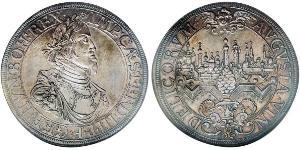
The coinage of this region tells the story of shifting alliances and financial independence. In earlier centuries, Augsburg issued Taler (Silver Dollars) that were recognized across Europe because their silver content was trusted implicitly by merchants in Venice or Poland.
A critical phase for collectors is understanding the transition to gold currency during the 18th century as trade demands increased value density. The coinage then evolved from simple city coins representing St Ulrich, Augsburg's patron saint, toward more complex state issues under Bavaria where the eagle was joined with local symbols like the Fugger house crest.
This evolution mirrors a broader trend: in times of economic prosperity, mints produced high-quality silver and gold. In turbulent periods, they minted smaller change to pay soldiers or merchants quickly. The Augsburg region remained relatively stable compared to borderlands ravaged by war. Its coinage was often the first step from chaos into order following conflicts.
The adoption of national currency later on marked a turning point for collectors because it erased these unique local faces. However, rare issues before this final unification hold immense value in catalog circles today due to their scarcity and high quality metal content that outperformed debased coins found elsewhere during the Napoleonic wars.
Münzstätten und Münzproduktion
In Augsburg, coinage production was never just a bureaucratic task; it represented an artistic endeavor intertwined with engineering precision. Because this city hosted such powerful banking houses and textile industries that required precise payments for raw materials like wool, the demand for standard weight coins was high.
The technology behind minting here advanced early due to competition from Venice and Florence in the 14th century. Local workshops introduced striking dies with higher relief images of local saints or merchants' guild symbols rather than just simple portraits of kings that dominated European coinage elsewhere.
This "Augsburg Style" is distinct because it balanced imperial iconography with commercial pragmatism. A mintmaster here was not only a craftsman but an economist who understood the need for standardization in trade contracts signed by foreign merchants passing through their gates to reach markets as far away as London or Amsterdam.
This attention to detail allowed collectors today to appreciate that these coins were designed with durability and legibility, ensuring that value transfer was immediate without needing explanation. The intricate designs of the time — often featuring floral motifs from the region's abundant forestry resources on gold florins — show how nature and art met commerce.
Bedeutende Münzen
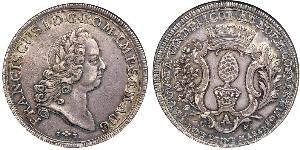
For those examining an auction lot, certain types stand out immediately due to their aesthetic quality or historical significance. One prominent category involves coins minted under the Holy Roman Emperor who also used Augsburg's stamp. These often display St Ulrich on one side and a depiction of local architecture like the Fuggerei or city gateways.
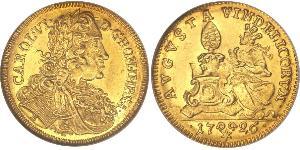
The late 18th-century gold pieces are especially prized for their purity during times when other regions began reducing silver content due to war expenses. These "high-fine" Augsburg issues show how well-protected this financial hub remained from economic decay even as empires collapsed around them.
Furthermore, early Bavarian florins minted in the 19th century carry a specific dual heritage: they were authorized by Munich but often struck here locally to utilize local metal stocks. This creates subtle differences in die variety that make these pieces interesting for expert collectors looking at nuances not visible to untrained eyes.
Rare errors or unique strikes where St Ulrich's halo blends with the city walls are also points of fascination, illustrating how mints sometimes faced artistic difficulties when trying to merge imperial authority with local identity. These artifacts act as a bridge between medieval religious art and early modern realism in sculpture design applied to metal.
Kulturelles Erbe
The connection between money making the history of Augsburg is inseparable from its cultural heritage, specifically regarding orderliness and sustainability. The city itself prides itself on being a UNESCO World Heritage site for water management systems; while this sounds like modern environmentalism, it speaks to an older tradition where public administration required regulation — much like how currency mints regulated weight and purity.
This administrative culture extended into the coins themselves which often featured allegorical scenes of commerce or industry rather than just military conquests common in Germanic numismatics. Coins found here sometimes depict merchants with their goods rather than knights, symbolizing that trade was considered superior to war.
The enduring image of St Ulrich on so many silver pieces also links the city's spiritual history directly to its economy as he is the patron saint for both health and wealth protection in medieval times. This duality makes coins from this era deeply symbolic rather than just functional currency used for buying bread or paying taxes.
Für Sammler
In conclusion, Augsburg presents a compelling subject because it represents the golden age of German trade before modern industrialization changed everything. Its coinage tells stories that have been lost in national histories by emphasizing local autonomy and global reach through banking connections rather than military conquest.
If you are standing at an auction table looking for pieces with high provenance, consider these items from Augsburg because they were often struck to the highest standards of purity available during their respective eras. They do not just serve as proof that a city existed centuries ago; they stand alongside artifacts made by masters like Van Eyck or Dürer who painted and sculpted in this very region.
Their enduring value for collectors today lies not merely in the metal, but in what each coin reveals about how Augsburg functioned: efficient, open to foreign trade, wealthy enough to maintain high standards even under changing political rulers. These are pieces of history that demand attention because they capture a specific moment where artistry met economics perfectly.