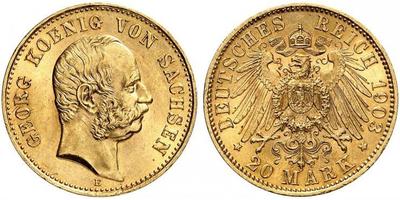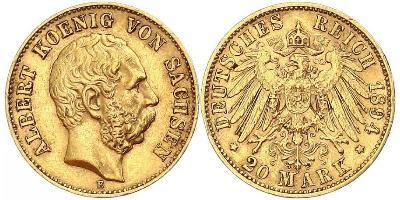
2026-11-18 - New coin is added to 1 Crown Kingdom of England (927-1649,1660-1707) Silver Charl ...
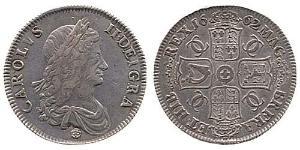
1 Crown Kingdom of England (927-1649,1660-1707) Silver Charl ...
group has 2 coins / 1 prices
⇑
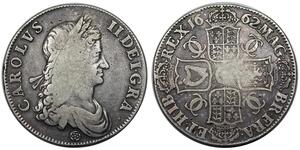
1662 Great Britain Crown, Charles II, First Type, Rose Below Bust, S-3350
2026-11-18 - New coin is added to 50 Kip Laos (1953 - ) Silver

50 Kip Laos (1953 - ) Silver
group has 2 coins / 2 prices
⇑
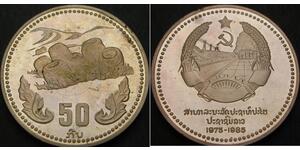
LAOS 50 Kip 1985 Proof - Silver .900 - 10th Anni. of Republic - 1704
2026-11-18 - Historical Coin Prices
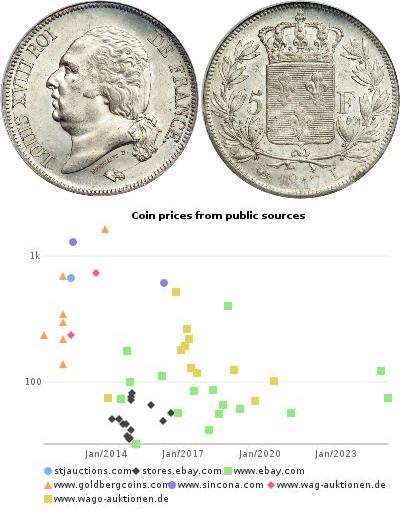
2026-11-18 - New coin is added to 5 Franc Kingdom of France (1815-1830) Silver
5 Franc Kingdom of France (1815-1830) Silver
group has 57 coins / 54 prices
⇑
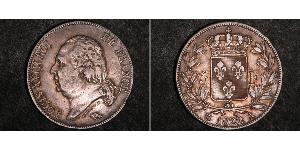
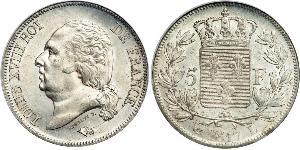
FRANCE 1822A 5 Francs Louis XVIII Silver Crown VF+
2026-11-18 - Historical Coin Prices
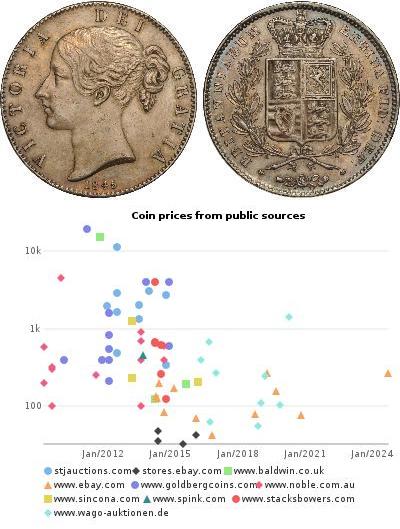
|
The real (meaning: "royal", plural: reais later becoming réis) was the unit of currency of Portugal from around 1430 until 1911. It replaced the dinheiro at the rate of 1 real = 840 dinheiros and was itself replaced by the escudo (as a result of the Republican revolution of 19 ... |
|
History of the nameIn the 1500s, Count Hieronymus Schlick of Bohemia began minting coins known as Joachimstaler (from German thal, or nowadays usually Tal, “valley”, cognate with “dale” in English), named for Joachimstal, the valley where the silver was mined (St. Joachi ... |
|
French Cambodia, a colonial territory of France in Southeast Asia, issued various silver coins during its period of French rule. These coins were used as legal tender in the region and played a crucial role in facilitating trade and commerce. Here’s an overview of the silver coins of French Cam ... |